


















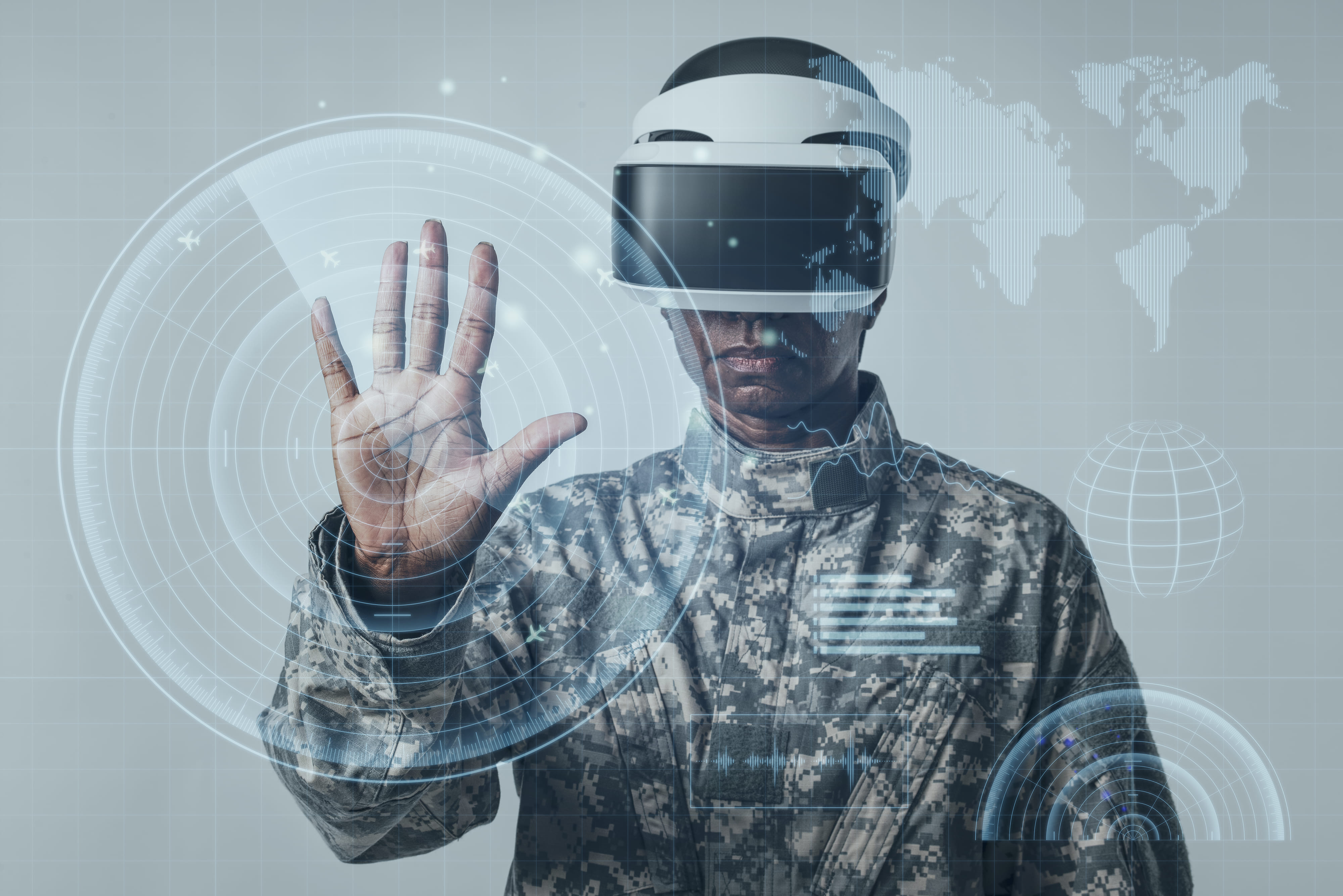
In the digital era, conflicts extend far beyond physical borders. Nations and threat actors now compete across an information battlefield where influence, perception, and control over data can achieve strategic outcomes without conventional military engagement.
This multidimensional conflict space is known as Information Warfare (IW) — the coordinated use of information, cyber capabilities, psychological tactics, and media influence to gain advantage over adversaries.
Information warfare is subtle yet powerful. It can destabilize societies, disrupt economies, and alter geopolitical narratives while remaining largely invisible to the public.
Core Elements of Information Warfare
1. Psychological Operations (PsyOps)
Psychological operations aim to influence emotions, beliefs, and behavior. By spreading propaganda, emotional narratives, or manipulated information, adversaries attempt to weaken morale and shape decision-making.
Real-world scenario:
During the Russia–Ukraine conflict, multiple PsyOps campaigns targeted both domestic and global audiences. Emotional narratives, manipulated visuals, and selective information were widely circulated online to influence public perception and morale on both sides.
2. Cyber Warfare
Cyber warfare involves offensive actions against digital infrastructure to steal, disrupt, or manipulate information systems. Critical infrastructure, military networks, healthcare systems, and financial institutions are common targets.
Real-world scenario:
The 2015 Ukraine power grid attack demonstrated how cyber operations can cause real-world disruption. Attackers compromised energy distribution systems, leading to widespread power outages affecting hundreds of thousands of civilians — one of the first confirmed cyber attacks on critical infrastructure.
Another notable example is the SolarWinds supply chain attack (2020), where attackers infiltrated software updates to gain access to government and corporate networks globally, highlighting the strategic impact of cyber espionage.
3. Electronic Warfare (EW)
Electronic warfare targets the electromagnetic spectrum to intercept, jam, or manipulate communications and navigation systems. This capability can degrade situational awareness and disrupt coordinated operations.
Real-world scenario:
Reports from modern conflict zones indicate GPS jamming and spoofing affecting drones, aircraft, and navigation systems. Such disruptions can hinder military logistics and civilian operations, illustrating the growing importance of spectrum dominance.
4. Deception and Disinformation
Deception strategies involve planting false or misleading information to misguide adversaries. Disinformation campaigns often blend fabricated content with partial truths, making detection difficult.
Real-world scenario:
The 2016 US election interference allegations highlighted large-scale disinformation campaigns conducted through fake personas, troll farms, and social media manipulation. These efforts aimed to amplify divisions, influence political discourse, and undermine trust in democratic processes.
Similarly, deepfake technology has emerged as a modern deception tool capable of fabricating realistic audio and video content to spread false narratives.
5. Operations Security (OPSEC)
OPSEC focuses on protecting sensitive information from adversarial exploitation. Weak operational security can expose mission details, troop movements, or confidential strategies.
Real-world scenario:
There have been incidents where military personnel unintentionally revealed sensitive data through fitness tracking apps or geotagged social media posts. Such exposures demonstrated how minor information leaks can compromise operational secrecy.
6. Media and Influence Operations
Media platforms — especially social media — have become central to influence operations. By amplifying specific narratives or suppressing opposing viewpoints, actors can shape public perception at scale.
Real-world scenario:
State-sponsored media campaigns and coordinated bot networks have been observed promoting geopolitical narratives during international crises. These campaigns often target global audiences to influence diplomatic stances and public sentiment.
Strategic Goals of Information Warfare
Information warfare campaigns are typically driven by objectives such as:
- Achieving strategic advantage without direct military confrontation
- Eroding public trust in institutions, leadership, or democratic processes
- Protecting one’s own information ecosystem while exploiting adversaries’ vulnerabilities
- Influencing domestic and international opinion to support political or military goals
- Creating confusion, delay, or miscalculation in adversary decision-making
These goals emphasize that information dominance can translate into political, economic, and military leverage.
Defensive Strategies Against Information Warfare
1. Robust Cybersecurity Frameworks
Organizations must adopt layered security architectures, continuous monitoring, and threat intelligence integration to detect and mitigate cyber intrusions early.
2. Media Literacy and Awareness
Educating individuals to verify sources, recognize manipulation techniques, and question viral content reduces the effectiveness of disinformation campaigns.
3. Strong Information Governance
Clear data classification, access control policies, and secure communication protocols protect sensitive information and reduce insider threats.
4. Counter-Disinformation and Strategic Communication
Governments and organizations increasingly deploy fact-checking initiatives, transparency campaigns, and narrative defense strategies to counter influence operations.
5. AI-Driven Detection Mechanisms
Emerging technologies such as AI-based anomaly detection and deepfake identification tools help identify synthetic media and coordinated influence campaigns.
Why Information Warfare Matters Today
The convergence of AI, social media, cyber capabilities, and data analytics has dramatically expanded the scale and sophistication of information warfare. Modern campaigns can target millions of individuals simultaneously, blurring the line between civilian and military domains.
Key trends shaping the future of information warfare include:
- AI-generated propaganda and deepfakes
- Data-driven psychological targeting
- Hybrid warfare combining cyber, influence, and economic pressure
- Weaponization of social media algorithms
- Increasing attacks on critical infrastructure and supply chains
Conclusion
Information warfare represents a silent yet powerful force reshaping global security dynamics. It is a domain where narratives influence geopolitics, trust becomes a strategic asset, and digital actions can trigger real-world consequences.
Success in this environment requires more than technological defenses. It demands resilient societies, informed citizens, strong governance, and proactive cybersecurity strategies.
As digital ecosystems continue to expand, the ability to defend and dominate the information battlefield will remain a defining factor in modern power and conflict.